




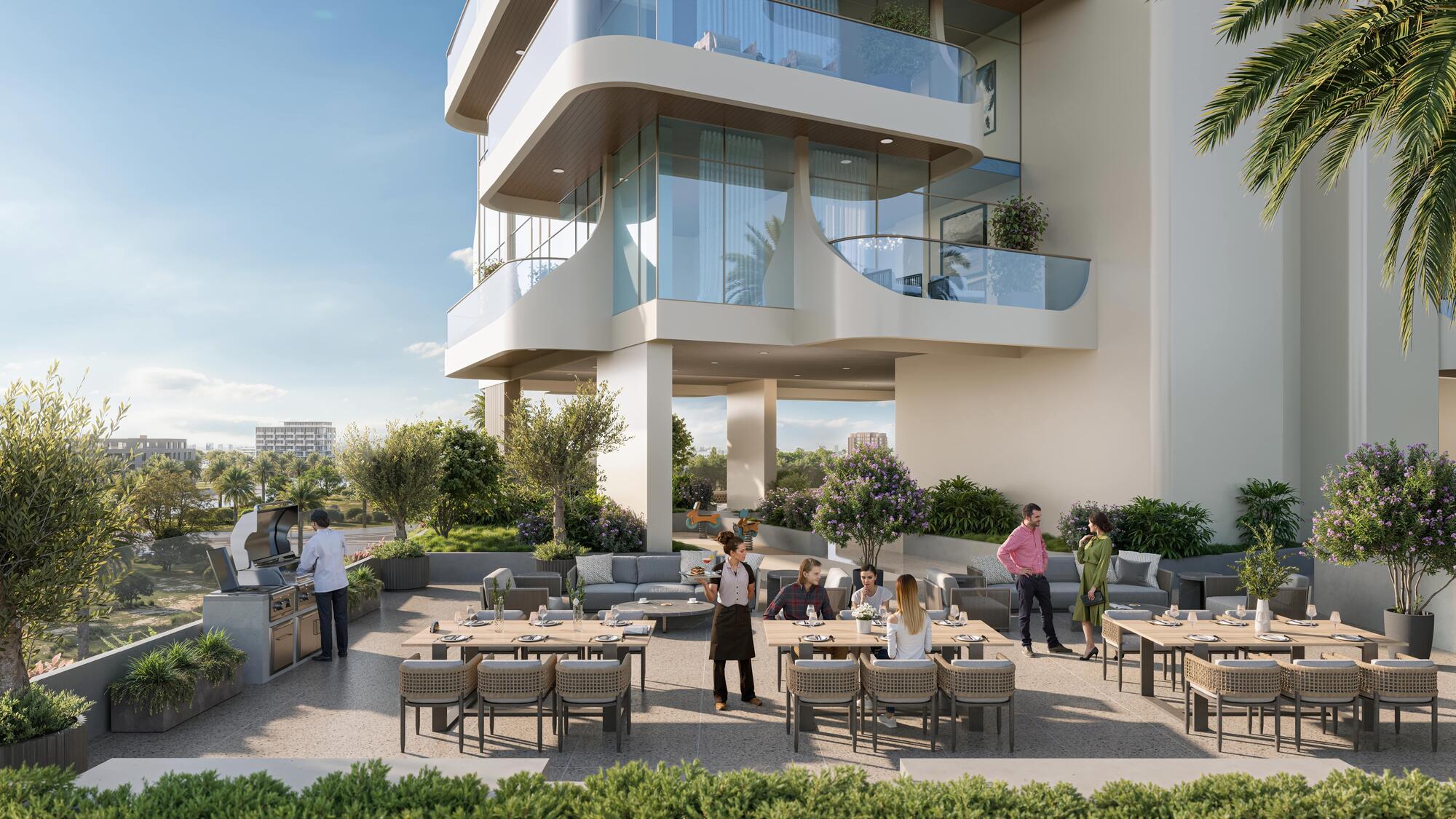
The Strategies That Turn Struggling Neighborhoods Into Thriving Ones
A vacant lot, a row of tired shops, and streets that empty after dark. Developers look at such places and see wasted potential. Yet a handful of builders rewrite the future of these forgotten corners. They use sharp strategies to spark new energy, draw families back, and raise property values block by block.
Here’s the playbook used by the biggest developers in Dubai and other regions to flip struggling districts into lively communities.
Listening to local voices:
Successful work starts by talking to the people who stay in the area. Builders ask what the families need to be happy and safe. Sometimes, a new park or a grocery store is the best way to help. When the community feels heard, they support the new changes. This local support helps the new projects stay busy and respected for a long time.
Picking the best locations:
Small areas near bus lines or train tracks are usually the first to see change. Being close to easy travel makes a spot popular for workers and students. Builders look for these links to help people get to work easily. A good location ensures that new shops always have customers walking by.
Saving old buildings:
Tearing everything down is not always the best way to work. Saving a beautiful old brick wall or a unique roof adds a special look to the block. People enjoy living in a place that has a history they can see. Mixing old styles with new comforts makes a street look beautiful. This method preserves the soul of the area while making it much cleaner.
Adding green spaces:
Trees and small parks make a huge difference in how a street looks. People need a place to sit and enjoy the fresh air during the day. Plants make the air cleaner and help everyone feel calm. A nice garden or a row of trees can turn a grey sidewalk into a place where people want to gather. Nature makes any area feel much more welcoming.
Helping small shops:
New buildings need shops on the bottom floor to stay busy. Builders often help local coffee shops or small stores move in. These businesses give neighbors a place to meet and talk. Having shops within walking distance means people do not have to drive for every little thing. This creates a friendly vibe that keeps the neighborhood safe and active at all hours.
